
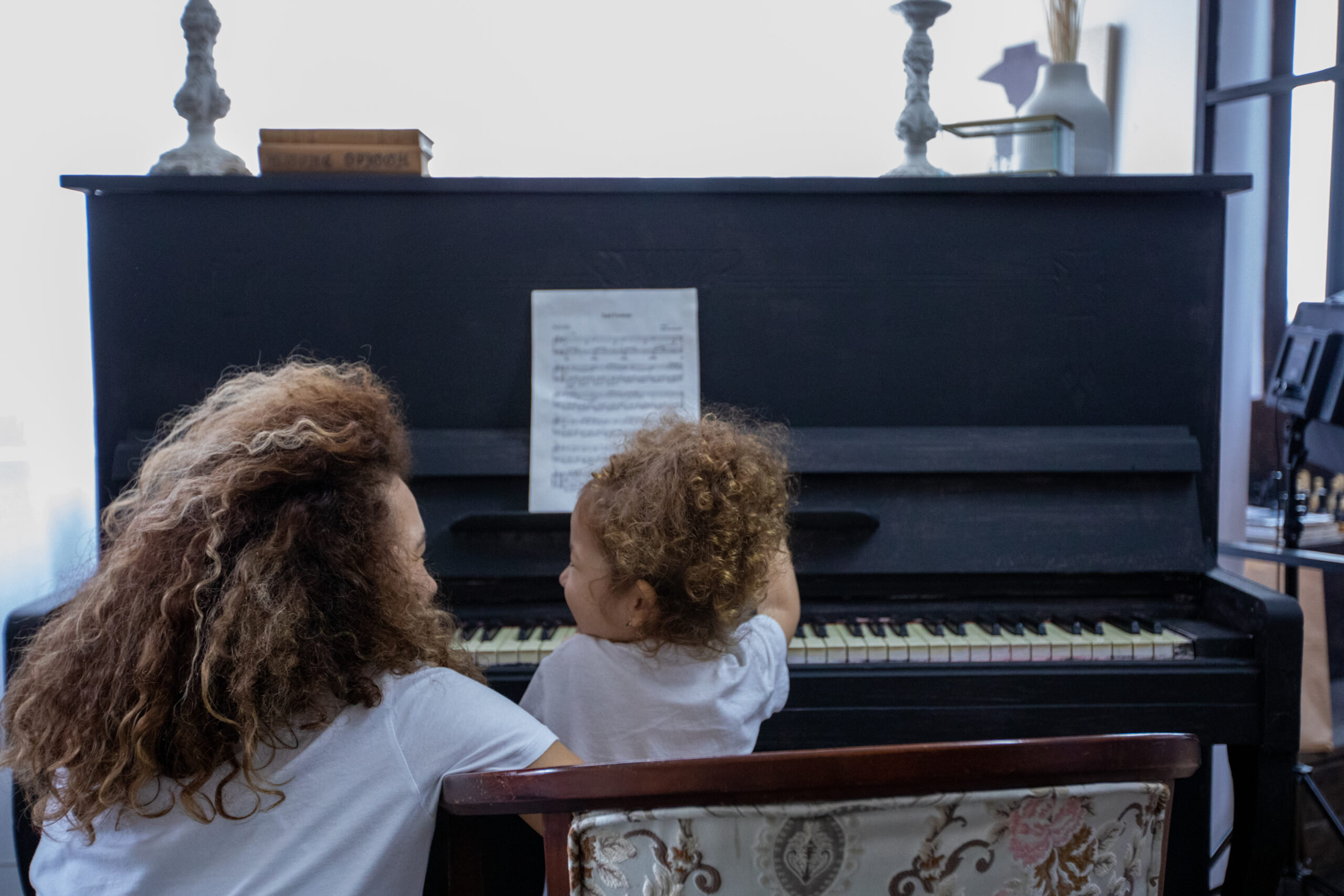
Kids aren’t little robots you can program to practice whenever. Each child has their own energy rhythm. Some bounce off walls in the morning while others don’t fully wake up until afternoon.
Watch for when your child seems most focused and receptive. Morning birds might do best before school when their mind is fresh. Night owls might shine after dinner but before bedtime routines kick in.
Avoid scheduling practice when they’re hungry, tired, or distracted by other activities. The “homework first or music first” debate depends entirely on your unique kid.
Try different times for a week and see what sticks!
The attention span math is pretty simple:
| Age | Suggested Practice Time |
|---|---|
| 5–6 years | 10–15 minutes |
| 7–9 years | 15–20 minutes |
| 10–12 years | 20–30 minutes |
| 13+ years | 30+ minutes |
But these aren’t rules set in stone. Your 8-year-old might happily practice for 25 minutes while your teenager might struggle with 15. Quality beats quantity every single time.
Break practice into manageable chunks
Nobody wants to do one thing for ages – especially kids! Break practice sessions into bite-sized pieces:
- 5 minutes of scales
- 7 minutes on that tricky section
- 8 minutes playing the fun songs they already know
This approach prevents overwhelm and builds confidence through small wins. It’s like eating a cookie one bite at a time instead of cramming the whole thing in your mouth.
Use timers and structured schedules
Kids thrive with clear boundaries. Visual timers work wonders because they can actually see time passing. Try:
- Kitchen timers (the physical ones they can set themselves)
- Colorful sand timers for younger kids
- Timer apps with fun themes
Create a practice checklist they can mark off. Nothing beats the satisfaction of checking boxes!
Create consistent weekly patterns
Consistency is your secret weapon. The brain forms habits through repetition, not intensity.
Monday, Wednesday, Friday practice at 4:30 PM is better than random marathon sessions whenever you remember. Mark practice times on a family calendar where everyone can see it.
Build practice around unmovable parts of your schedule – right after dinner or before favorite TV shows. Soon, it’ll feel as natural as brushing teeth.
When life happens (and it will), don’t abandon the routine completely. Even a 5-minute practice maintains the habit.